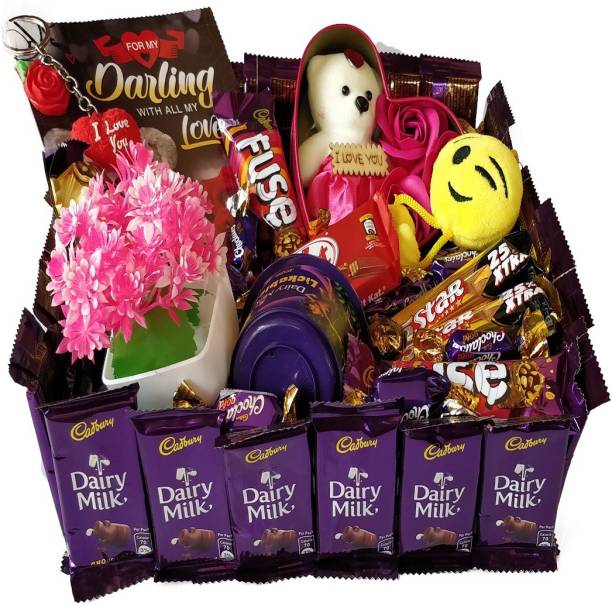
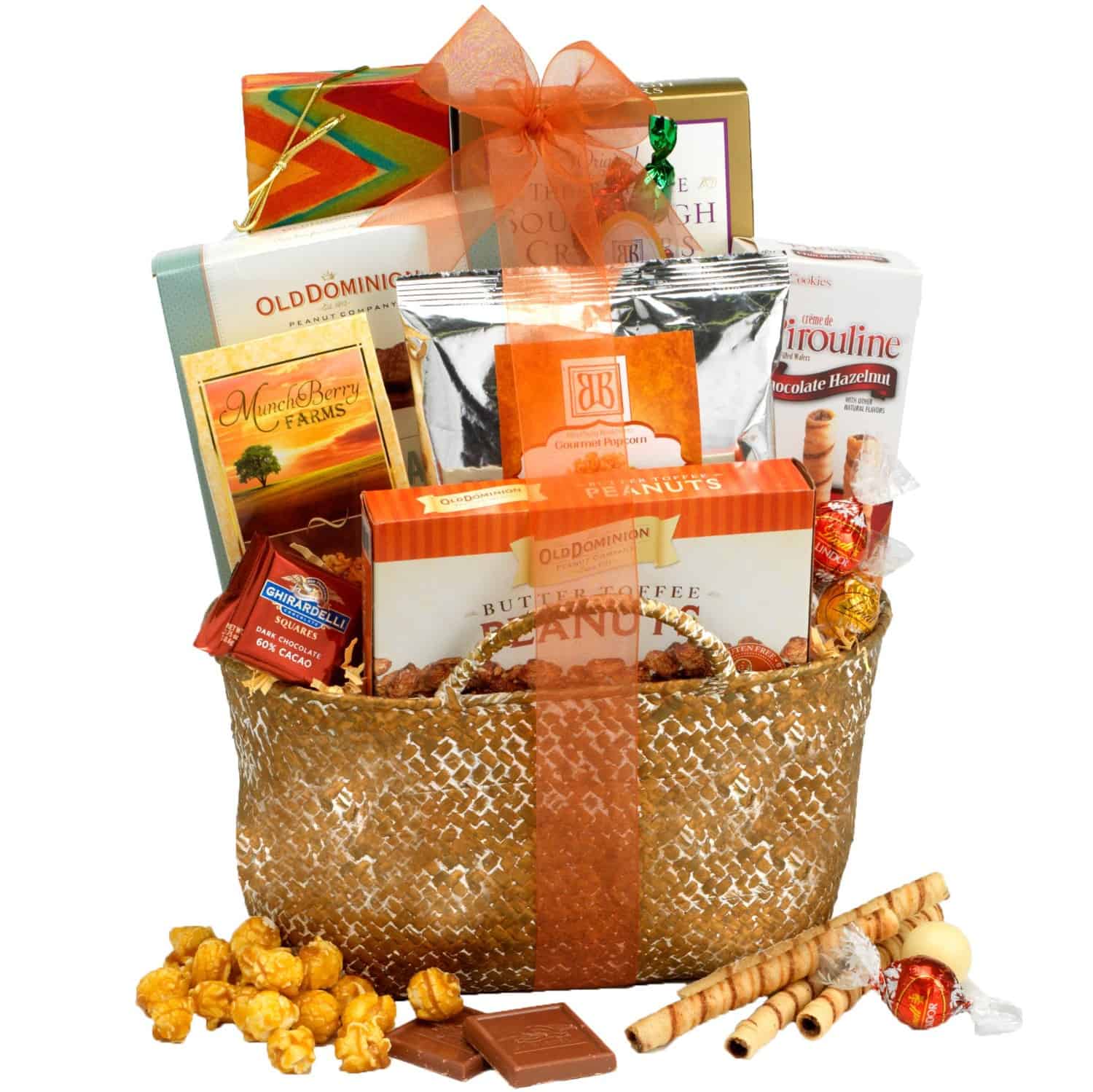
When you’re putting together a gift hamper, chocolate is almost always a star performer. But before you hand that glossy box over, you might be asking, what is the shelf life of chocolate in a hamper? Understanding how long chocolate stays delicious—and safe—helps you avoid the dreaded “flat, Secret Santa burnt‑tasting” surprise that can ruin an otherwise thoughtful gift.
---
Understanding Chocolate Basics
Chocolate’s longevity starts with its composition. The main ingredients—cocoa solids, cocoa butter, sugar, and sometimes milk solids—each have a different resilience to heat, light, and oxygen.
Types of Chocolate and Their Resilience
- Dark chocolate (70 % cocoa or higher) is the most stable. The high cocoa content gives it a lower sugar level and a higher fat content that resists melting. Milk chocolate contains milk solids and more sugar, which can accelerate spoilage, especially if exposed to heat. White chocolate is essentially milk chocolate without cocoa solids; its high sugar and fat content makes it the most vulnerable to heat and light.
Key Ingredients That Influence Shelf Life
- Cocoa butter: The fat that gives chocolate its smooth melt. It can oxidize if left too long, causing a “bloom”—a white film that looks unappetizing. Sugar: While sweet, it can attract moisture, leading to sugar bloom or mold if humidity is high. Milk solids: These proteins can spoil faster than pure cocoa, especially in warm climates.
---
Factors That Shape Shelf Life in a Hamper
Even the best chocolate can falter if stored in the wrong conditions. Think of temperature and humidity as the dynamic duo that either keeps your chocolate fresh or turns it into a sad, flat mess.
Temperature and Humidity: The Dynamic Duo
- Ideal temperature: 15–18 °C (59–64 °F). Anything above 20 °C (68 °F) can cause the chocolate to melt or develop a greasy sheen. Humidity: Keep it below 60 %. High humidity can cause sugar bloom and, in extreme cases, mold.
Packaging and Exposure to Light
- Opaque, airtight packaging protects against light and oxygen, both of which accelerate oxidation. Transparent wrappers may look appealing but expose chocolate to light, which can degrade flavor and color.
Storage Duration vs. Gift Timing
- Short-term storage (up to 3 months) is usually safe for most chocolates if kept cool and dry. Long-term storage (beyond 6 months) may still be fine for dark chocolate but is riskier for milk or white varieties.
---
Practical Tips for Maximizing Shelf Life
Keeping chocolate in peak condition is Employee appreciation easier than you think. Follow these simple guidelines, and your hamper will stay as sweet as the moment you first opened it.
- Choose the right container: A sealed, airtight tin or a plastic container with a lid keeps out moisture. Use desiccant packs: Small silica gel packets can absorb excess humidity. Keep away from strong odors: Chocolate readily absorbs scents, which can alter its flavor. Store in a pantry, not the fridge: The temperature swing when you open the fridge door can cause condensation. Wrap individually: This protects each piece from direct contact with air and other chocolates.
---
Common Misconceptions and Myths
It’s easy to fall into the trap of chocolate folklore. Let’s debunk a few:
- “Chocolate should always be kept in the fridge.” ❌
The fridge’s temperature fluctuations can create condensation, which invites mold.
- “Dark chocolate lasts forever.” ❌
Even dark chocolate can develop a bloom after months of exposure to heat.
- “Any chocolate will melt in a hamper.” ❌
Proper packaging and temperature control keep chocolate solid and flavorful.
---
When to Toss and When to Treasure
Knowing when a chocolate bar has crossed the line from delightful to dubious saves you from an awkward gift exchange.
- Toss if: It has a white, powdery film (bloom). It smells off or has visible mold. It has an unusually greasy or oily appearance.
- Treasure if: It remains glossy and firm. The flavor profile is intact—no bitterness or off‑taste. It’s been stored in a cool, dry place for less than 6 months.
---
The Perfect Hamper: A Sweet Conclusion
Imagine gifting a hamper to your grandmother on her birthday. She unwraps a box of fine dark chocolate, and the aroma lifts her spirits instantly. That moment? It’s the culmination of careful planning, understanding the shelf life of chocolate in a hamper, and a sprinkle of love.
> “Chocolate is a food that is not only delicious but also a source of happiness.” – Anonymous
A well‑stored chocolate hamper is more than a gift; it’s a promise that you’ve thought through every detail. By respecting temperature, humidity, and packaging, you ensure that each bite delivers the same pleasure you felt when you first opened the box.
So next time you’re assembling a hamper, remember: a little forethought keeps the chocolate fresh and the smiles wide. Treat your gift with the care it deserves, and you’ll find that the sweet payoff lasts far longer than the chocolate itself.